No matter the size of your household, whether you have children, pets, both or neither, basic preparation and emergency planning are always advisable. In this post, we’ll outline some of the bare essentials every person should equip themselves with for everyday safety.
When we think of preparedness and planning, we most often consider the major disasters; floods, earthquakes and fires tend to be in the forefront of the planning mind. We’ll discuss planning for disasters like these a bit later on, but first let’s talk about the five major offenders of accidental death and injury.
According to the National Safety Council, accidental deaths and injuries most commonly include poisoning, vehicle crashes, falls, choking/suffocation and drowning.
Poison Safety
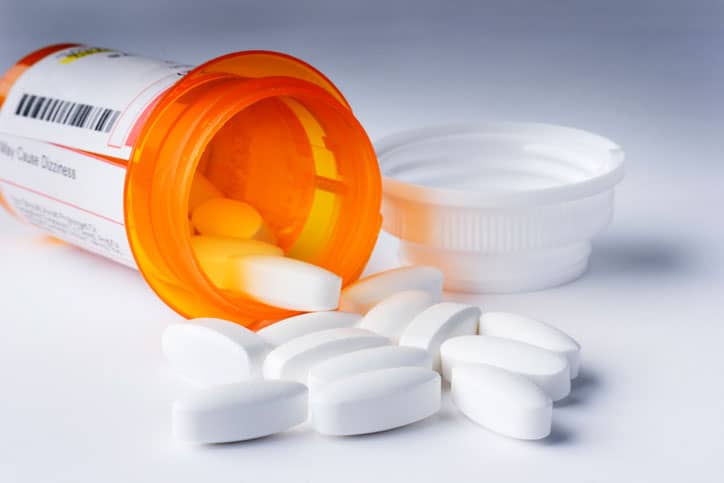
In recent years, poisoning has become the leader of accidental deaths, surpassing vehicle accidents for the first time ever, due to the availability of opioid drugs such as hydrocodone, oxycodone and fentanyl.
To learn more about this epidemic and how to prevent it, visit this link.
The Basics
- Take medication only as prescribed
- Never share medication
- Store addictive substances safely
Advanced
- Check out the FDA’s guidelines for the disposal of unused medicines.
Falling Accidents
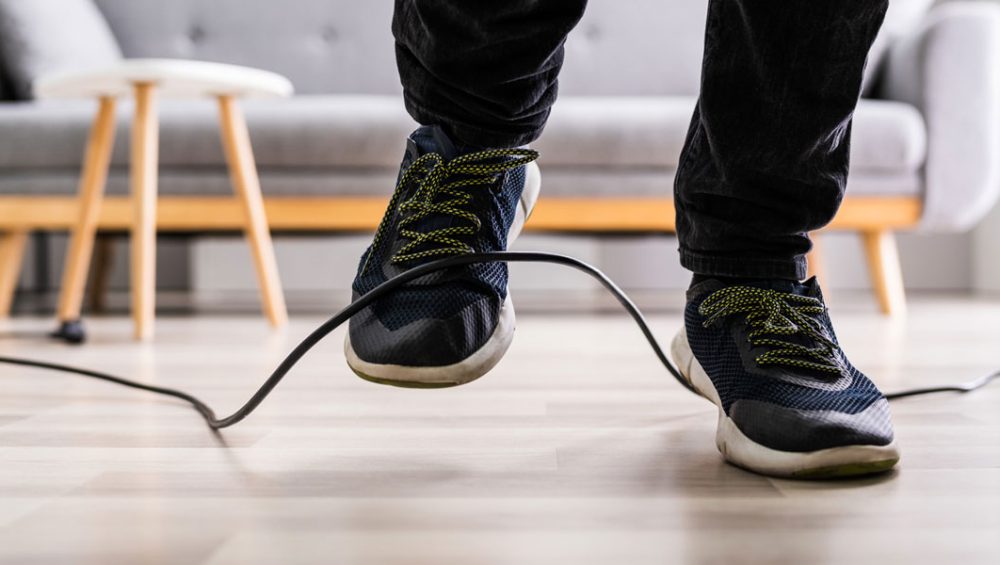
A fall can affect anyone, no matter what age. However, according to the CDC, falls affect one in three adults over the age of 65. Most often, falls occur at home and can be prevented.
The Basics
- Declutter walking spaces
- Secure carpets
- Add non-slip adhesives and non-skid matts
Advanced
- Install hand railings
- Replace lighting to create more visibility
- Adjust cupboards and appliances to eliminate the need for ladders
Suffocation & Choking Accidents
The Basics
- Know the risks
- Recognize the hazards
The most common risks for choking are eating too fast or too much at once. Suffocation occurs most commonly in children under one year of age. Choking occurs most commonly in adults over the age of 80. The most common food hazards include:
- Hot dogs
- Meat and cheese
- Whole grapes
- Hard candy
- Popcorn
- Bagels
- Peanut butter
Advanced
- Learn the Heimlich Maneuver
- Learn CPR
Drowning Accidents
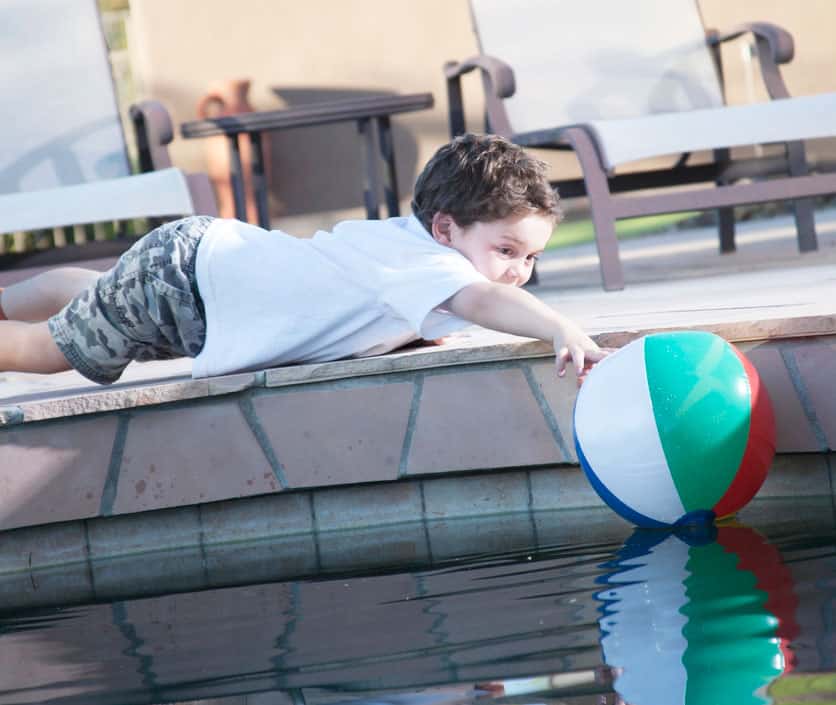
According to the National Safety Council, 10 people drown every day and most will be under the age of 15. Children drown most often in:
- Pools
- Bathtubs
The Basics
- Don’t leave kids unattended even for a moment to answer the phone or grab a towel
- Don’t let kids play near water
- Teach kids about the dangers of water
Advanced
- Enroll kids in swim lessons
- Install safety fencing
- Install door alarms
- Learn First Aid & CPR
Adults can drown, too. For more information about water safety for everyone, visit this page. Being prepared for everyday risks provides a great foundation for awareness and safety in more difficult scenarios.
Fire Safety
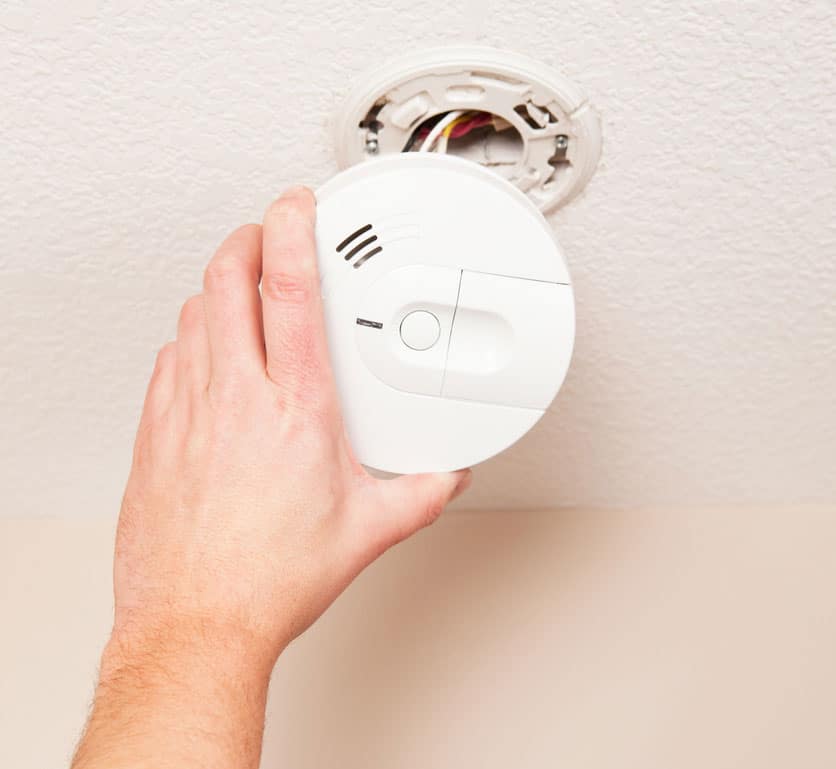
Accidental fires are the sixth leading cause of death in the U.S. More than three-quarters of fire deaths occur at home when residents walk away from the stove, leave candles unattended or smoke inside. For more information about fire risk, safety and prevention, check out this post.
The Basics
- Install a smoke alarm
- Keep fire extinguishers handy
- Maintain access to fire ladders
Advanced
- Invest in monitored smoke detectors
- Install a sprinkler system
Natural Disaster Safety
Natural disaster safety encompasses a wide range of topics including preparedness for earthquakes, floods, tornadoes and hurricanes. Your chances for encountering one of these types of disasters will depend on where you are located. For more information about which disaster you’re most likely to encounter and how to properly prepare yourself for these, check out this post.
The Basics
- Keep a flashlight and radio handy
- Download a mobile weather app for warnings and alerts
- Know your safe place and escape route
Advanced
- Secure heavy objects
- Build a storm shelter
- Stock 72-hour provisions
- Water
- Personal items including medicines
- Blankets
- Waste management